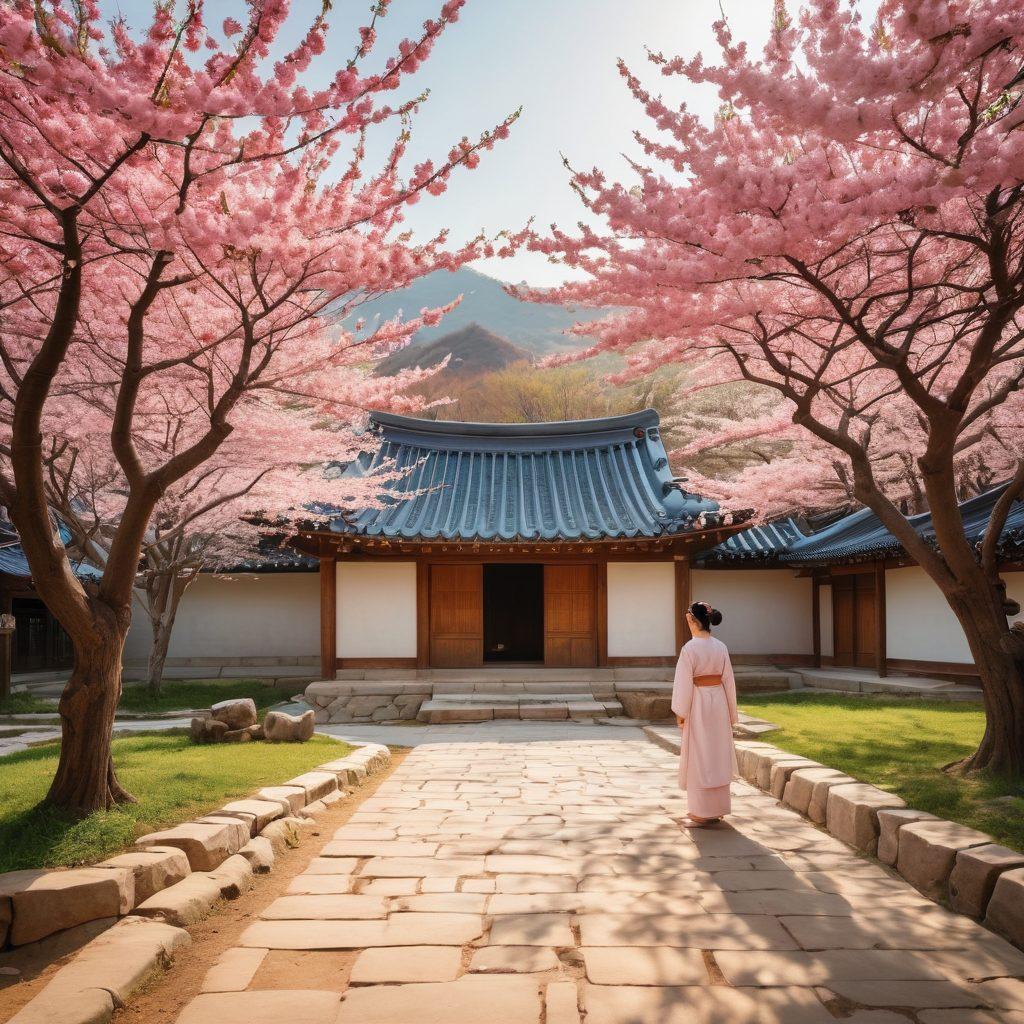
Exploring Emotional Wellbeing: Insights from South Korean Psychology
When we think about emotional wellbeing, what comes to mind? For some, it might be yoga, meditation, or mindfulness practices. But delve a little deeper, and you might find that different cultures have developed their own unique approaches. South Korean psychology is a fascinating area of study, intertwining rich cultural traditions with modern psychological practices. As mental health awareness continues to grow globally, understanding the distinctive elements of South Korean psychotherapy can offer insights into emotional wellbeing that are deeply rooted in cultural context.
South Korean psychology blends various schools of thought—from kognitive psychology to psychoanalysis. Here, therapy is not just a clinical experience; it is shaped by societal norms, family dynamics, and even Korean cultural studies. In South Korea, emotional wellbeing often weighs heavily on the collective psyche, emphasizing harmony and interconnectedness over individualism. This unique cultural backdrop creates a landscape where psychological insights flourish, tailored to support the very fabric of Korean society. How does this cultural perspective reshape our understanding of emotional support and therapy techniques?
One compelling element of South Korean psychotherapy is its emphasis on relational dynamics. The therapeutic process often transcends the individual. Instead, Korean therapy involves an exploration of the social context in which clients live and operate. This approach is rooted in South Korean culture, where community and familial ties are paramount. It’s not just about treating depression or anxiety; it’s about strengthening the connections individuals have within their social circles. Imagine a therapy session that feels more like an open dialogue about life's complexities rather than a sterile exchange of clinical jargon. How might this influence the overall psychological wellbeing of a person?
Furthermore, South Korean counseling psychology stands out as it often weaves in traditional healing practices alongside modern psychotherapeutic methods. Integrative practices can involve elements of mindfulness, Buddhist principles, and even ancestral reverence, providing emotional support that resonates on multiple levels. With such a rich tapestry of psychological practices, clients can find solace not just through theory or technique, but through themes of respect, honor, and understanding—an approach that many may find relatable, regardless of cultural background. What if we all adopted a more integrative approach to our mental health? How could it change our collective narratives?
Lastly, there's a significant shift in how South Korean society views mental health. The stigma surrounding Korean mental health has begun to dissolve, paving the way for open discussions about emotional wellbeing. The younger generation is taking the lead, driven by a desire to cultivate resilience and self-awareness. This new era of emotional support reshapes the landscape of clinical psychology and encourages individuals to seek therapy without shame. As you reflect on your own approach to mental health, consider how cultural influences have shaped your understanding of emotional wellbeing. Are there practices from South Korean psychology that could enhance your journey?
Cultural Influences on Mental Health: Lessons from Korean Psychotherapy
When we think about mental health, it’s often shaped by the culture we come from. In South Korea, where tradition gracefully intertwines with modernity, the approach to emotional wellbeing is uniquely rich and compelling. The South Korean psychology landscape is painted by a palette of cultural nuances, where Korean psychotherapy melds with historical, social, and familial influences to shape our understanding of mental health. Are you ready to explore how these cultural influences impact Korean mental health and how they can offer us valuable psychological insights?
Imagine walking through a bustling market in Seoul, filled with vibrant colors and the aromas of delicious street food. Among the lively banter of locals, one can often overhear discussions about emotional struggles, revealing a growing awareness surrounding mental health issues in South Korea. Indonesian psychologist Jiwoo Kim states, 'Korean cultural studies reveal that acknowledging mental challenges is slowly becoming accepted. It's a pivotal shift in the narrative surrounding psychological wellbeing.' This new openness to discussions around emotional support signifies a change, but it’s also a complexity intertwined with long-standing traditions. How do these intricate dynamics manifest in Korean psychotherapy practices?
Korean psychotherapy is more than just a treatment for emotional distress; it’s a nuanced approach that reflects the collective psyche of the community. At its core, cultural influences shape the therapy techniques utilized by practitioners. Understanding cultural mental health means recognizing that therapy isn’t merely a personal journey but often a familial one. Family values are deeply entrenched in Korean society and can influence behaviors and attitudes toward seeking help. How might our own family dynamics affect our approach to mental health awareness?
From the realm of behavioral psychology to psychoanalysis, South Korean psychological practices intertwine modern methods with age-old philosophies. Practitioners often employ a mixture of kognitive psychology, art therapy, and mindfulness techniques, emphasizing not only the individual’s journey but also their connection to the community. As therapist Min-Hee Park states, 'Therapy here is about healing the individual while embracing their cultural identity.' This intersection of personal and cultural narratives is critical when we think about emotional wellbeing. Can we adapt similar approaches in our own lives?
So, what can we learn from the learnings of Korean psychotherapy? Perhaps the most significant insight is the importance of creating safe spaces for emotional expression and support. As we navigate our mental health journeys, we might consider blending Korean psychotherapeutic methods with our own cultural practices. By sharing stories and building connections, we pave paths for deeper understanding and healing. Whether through counseling psychology or support from friends and family, remember—the journey to mental health is not one walked alone. How can you take a step today towards fostering your own emotional wellbeing?
Therapeutic Techniques in South Korea: Bridging Emotional Support and Psychological Insights
In a world increasingly attuned to the importance of mental health, South Korean psychology offers a rich tapestry of therapeutic techniques and insights that bridge emotional support and psychological understanding. But what makes these practices uniquely effective? Rooted deeply in the societal values and cultural contexts of South Korea, these methods provide a holistic approach to mental health that resonates with many. In this blog, we will explore how the nuances of Korean psychotherapy can inform us about emotional wellbeing and psychological insights.
Picture this: a bustling Seoul café where a woman, overwhelmed by the pressures of modern life, seeks solace. Instead of merely turning to friends for support, she opts for a therapy session with a professional well-versed in Korean counseling psychology. This narrative isn't unusual. It's a reflection of how South Korean society increasingly prioritizes mental health and emotional support, recognizing that true psychological wellbeing cannot exist without a strong foundation of cultural understanding and sensitivity. Could this be the future of mental health awareness worldwide?
Korean psychotherapy is not merely about addressing individual symptoms but rather about understanding the interconnectedness of emotional wellbeing and a person’s cultural background. Influenced by various schools of thought including psychoanalysis and kognitive psychology, practitioners often employ behavioral psychology techniques that root patients' concerns in a broader social context. One might ask, how can therapy techniques designed for a specific culture promote healing in a globalized world? It starts with recognizing that cultural mental health can enrich our understanding of universal psychological practices.
As we delve deeper into Korean cultural studies, it's clear that the country’s approach to mental health emphasizes community and familial understanding. This collective approach often alleviates feelings of isolation and creates a safe space for individuals to share their struggles. Coupled with psychotherapeutic methods that provide practical strategies for emotional regulation, it's no wonder that South Korea is rapidly becoming a model for other nations seeking to enhance their mental health support systems. What if other cultures adopted similar frameworks for counseling? Would we see a dramatic shift in global mental health outcomes?
Finally, as we explore these therapeutic techniques, it’s important to engage in a dialogue about the continual evolution of South Korean psychology. By understanding the interplay between psychological insights and emotional support, individuals can emerge more resilient and equipped to navigate the complexities of life. For those seeking guidance, whether through therapy or personal exploration, the insights gleaned from this emotional support paradigm can offer a fresh perspective on their mental health journey. How can you integrate these novel approaches into your own life for enhanced psychological wellbeing?